The door has just closed behind us. The street noise has vanished, as if Paris were still on the other side. Before me, an office cluttered with documents, a flickering light, and several objects whose purpose no one yet understands. We had entered a few minutes earlier, joking around. Now, everyone is speaking more quietly.
This is often what people are looking for when reading a review of an escape game : to understand what really happens once the game begins. The puzzles are important, of course. However, the memory of a session rests primarily on what the player feels, how their group reacts, and the believability of the adventure offered.
The immersive experience begins before the first puzzle
The Game Master finishes his introduction and gives us a mission. At this point, the timer isn't our main concern. We're mostly trying to understand who we've become and why we're here.
A successful immersion doesn't depend solely on the beauty of the setting. It arises from the coherence between the story, the space, the sounds, the lighting, and the actions required of the players. A padlock placed there for no apparent reason serves as a reminder that you're participating in a game. Conversely, a mechanism seamlessly integrated into the scenario gives the impression of actively participating in this world.
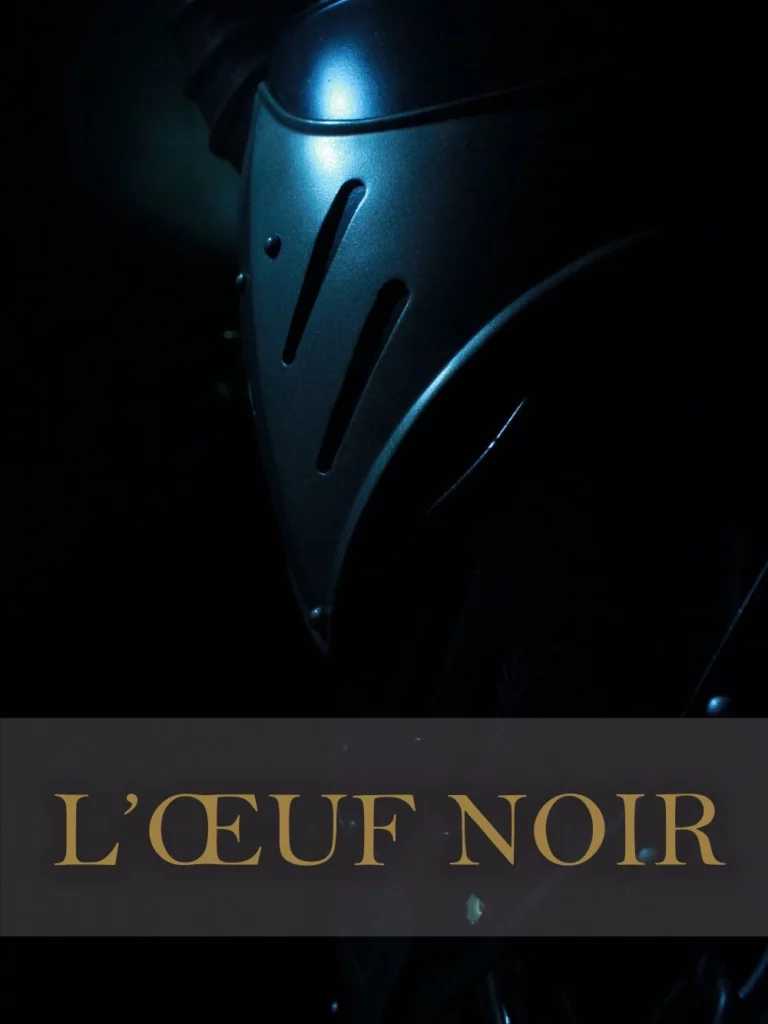
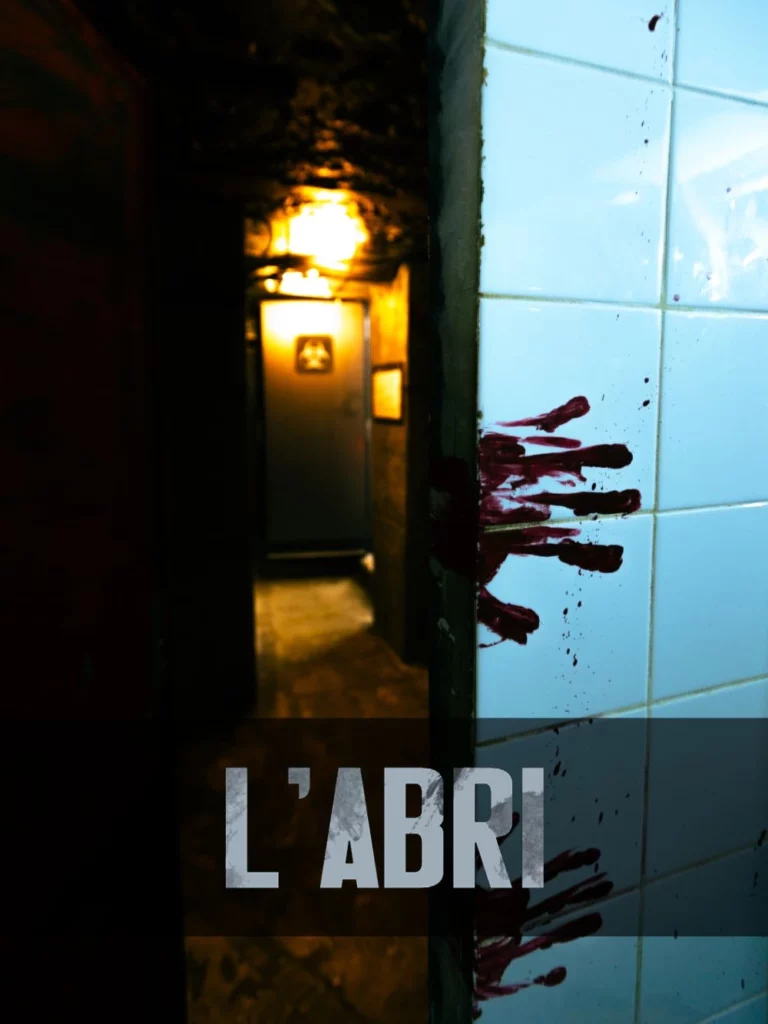
At Crack the Egg Escape Game , located at 46 avenue Daumesnil in the 12th arrondissement, the adventures are linked by the mythology of the Primordial Egg. Each room has its own mission, but symbols, hidden details, and secondary objectives allow curious players to glimpse a larger story.
We don't know this at the start of the game. For now, one of us is methodically searching while another reads aloud a document discovered under a pile of files. A third person remains silent, staring at an almost invisible pattern on the wall.
Then she said, "Wait... look at this."
This moment encapsulates much of the fun. In a good escape game, each player can become the one who moves the group forward. You don't need to be a logic expert or have played before. Observation, communication, memory, and intuition can be just as crucial.
The experience then becomes truly shared. You don't just watch a story unfold: you become one of its driving forces.
A session told from the inside
Twenty minutes have passed. The room no longer resembles the one we discovered. Objects have changed places, some drawers are open, and scattered pieces of information are finally beginning to form a coherent whole.
The tension rises, but it's not necessarily synonymous with fear. It comes from the passing of time, from a manipulation almost understood, or from an answer that seems obvious even though no one has yet been able to articulate it. This mild adrenaline gives the game its rhythm.
We are mistaken. Twice.
The first mistake makes us laugh. The second creates a brief silence. That's when the Game Master intervenes with a hint subtle enough to get us moving again without solving the puzzle for us. This balance is crucial to the final experience: effective assistance maintains the pace while allowing the group the satisfaction of discovery.
An experience can therefore be evaluated through several very concrete sensations. Did we understand our role? Did the setting help us believe in the story? Did the puzzles have a reason to exist within the scenario? Did everyone find their place? Did the Game Master's interventions support the adventure without breaking it?
With five minutes to go, we are no longer five people gathered to test an activity. We are a team. Information flows quickly, hesitations disappear, and everyone focuses on the final step.
The mechanism is finally triggered.
Success brings immediate relief, but the true sign of a memorable experience often appears after the door opens. In the hallway, the group continues discussing a symbol, a detail of the set design, or a decision made thirty minutes earlier. The story is no longer just the one imagined by the creators: it has become our story.
To prepare for your first session, information on the format, access, and playing conditions can be found in the Crack the Egg FAQ . The establishment is accessible from Gare de Lyon, served by metro lines 1 and 14 as well as RER lines A and D, as indicated on the official RATP website.
What we remember once the door is reopened
A good escape game testimonial isn't just about the success rate or the number of puzzles solved. It tells the story of a temporary transformation: for an hour, a group observes things differently, thinks together, and agrees to believe in a story.
This is the feeling you should be looking for before choosing a venue. Not just "Is it difficult?", but "What kind of adventure will we be able to tell afterwards?"
If this screening already makes you want to look for the first clues, you can check the time slots and booking details and choose the universe your group wishes to enter.
FAQ
What does it feel like during an escape game?
The feeling evolves throughout the game: curiosity upon discovering the setting, concentration during the initial searches, tension as time progresses, and then satisfaction when the group solves the puzzle. The experience also varies depending on the scenario and the group dynamics.
How can you recognize a truly immersive escape game?
An immersive escape game creates continuity between the briefing, the setting, the narrative, the puzzles, and the Game Master's interventions. The actions required of the players seem to belong to the story rather than being a simple succession of mechanisms.
Do you need to have experience to enjoy an immersive room?
No. A well-designed room allows beginners to understand their mission and progress through cooperation. Observation, listening, and communication are often more important than prior experience.